
The Role of Imagination in Early Learning
Early childhood is an important period for communication, social interaction, emotional development, and creative exploration.
Stories and imaginative play can support learning when adapted appropriately to children's ages and needs.
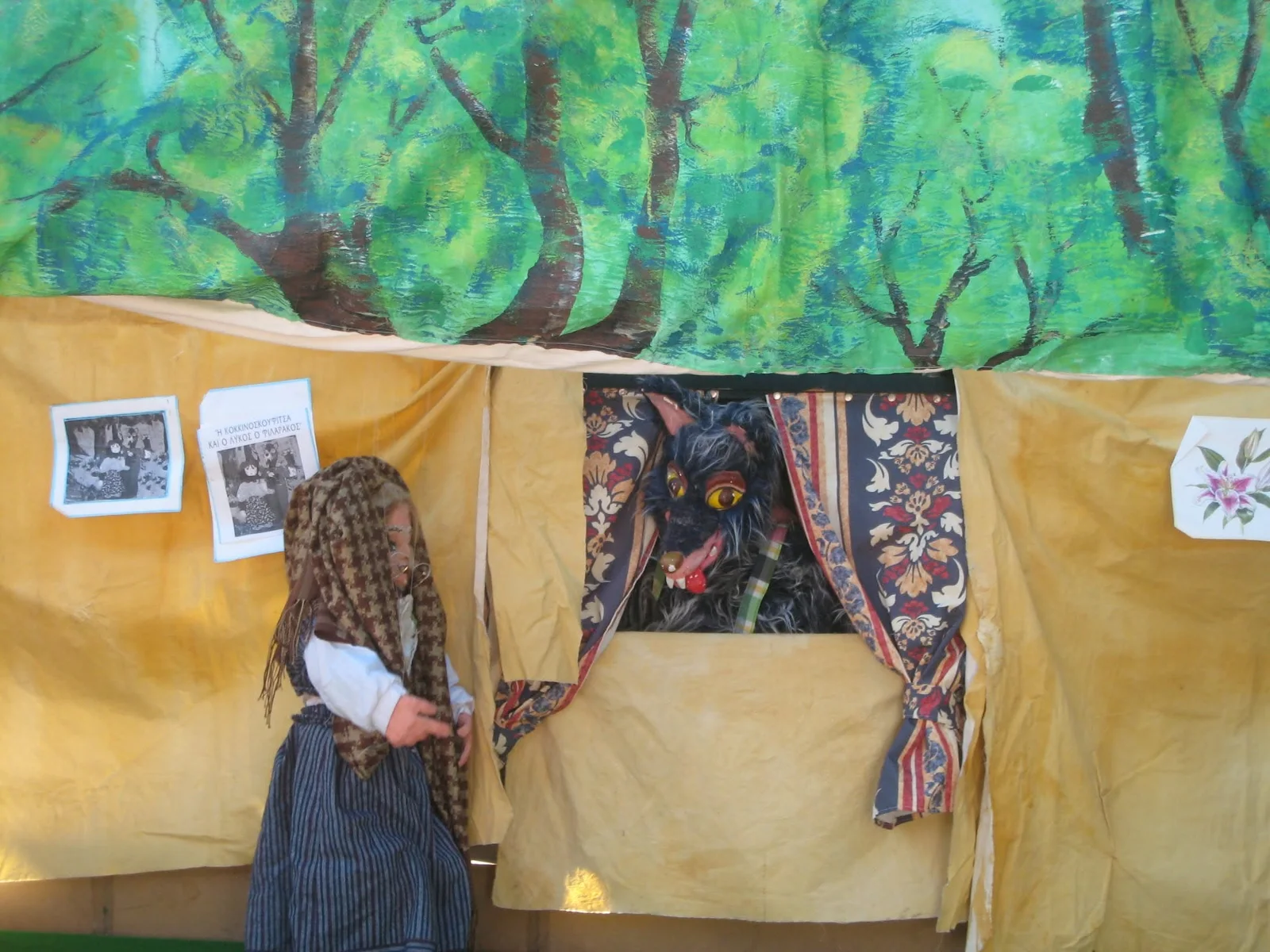
Imagined situations give participants room to try out possibilities beyond the immediate setting. A piece of fabric might become a river, or a puppet might travel somewhere invented. Follow the participant’s ideas and avoid requiring personal disclosure through the story.
Learning Through Play
How playful experiences can support curiosity and exploration.
Play allows children to explore ideas through choice, repetition, and invention. Offer a small selection of safe materials and let the child decide what the puppet becomes. An adult can listen and respond while allowing the child’s own story to develop.
Language Development
The role of storytelling, dialogue, and expressive communication.
Stories create a context for words, questions, and listening. Repeat useful phrases naturally and allow time for a reply. Gestures, pictures, communication aids, and home languages are valid ways to contribute; participation should not depend on speaking fluently.
Emotional Expression
How fictional characters can provide opportunities to discuss feelings.
A fictional character can offer a gentle way to discuss feelings. Ask what the character might be experiencing, what it needs, or how a friend could respond. Accept different interpretations and do not pressure anyone to relate the story to a private experience.
Social Interaction
The value of cooperation, listening, and shared experiences.
Creative Thinking
How imaginative activities encourage original ideas.
Creative work involves making choices, trying alternatives, and responding to what emerges. Begin with an open question rather than a fixed model everyone must copy. Make time to explore materials and acknowledge that ideas can be expressed through gesture, image, voice, or making.
Confidence
The importance of supportive opportunities for self-expression.
A supportive setting makes room for an unfinished idea and a second attempt. Offer choices, acknowledge effort, and avoid comparing performances. Observing or working behind the scenes can be a meaningful form of participation, particularly when someone is not ready to speak.
Inclusive Learning
Why creative activities should consider different abilities and developmental needs.
Provide more than one way to participate: speaking, gesture, drawing, making, observing, or using communication aids. Consider mobility, sensory comfort, language, and the pace of the activity. Ask about access needs respectfully and adjust without singling anyone out.